All Categories
Featured


Designing an Organized Life: Storage for the 2026 Minimalist
Table of Contents
Adapting to the High-Density Realities of 2026
Living in a dense urban environment in 2026 often means moving from one district to another as housing needs change. Residents in urban neighborhoods face a unique set of constraints, primarily the shrinking size of residential floor plans. As more people choose the convenience of city life over sprawling suburbs, the ability to manage personal belongings has become a distinct skill. Successful urban dwellers no longer view their apartments as long-term storage vaults. Instead, they treat their living spaces as fluid environments where only the essentials remain on hand.
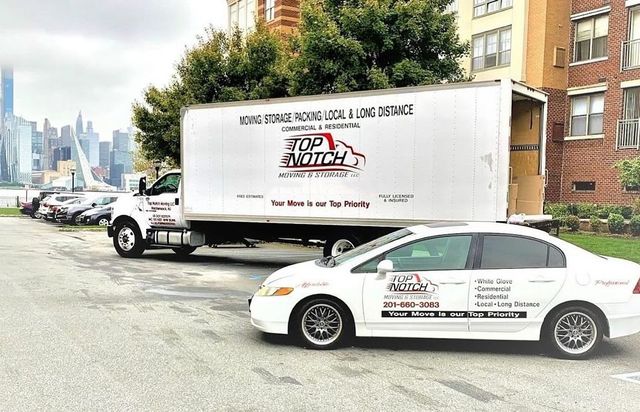
The trend toward micro-apartments and communal living spaces in this region has accelerated the need for off-site solutions. When a new lease starts in a different neighborhood, the logistical hurdles can be significant. Moving between a fourth-floor walk-up and a modern high-rise requires more than just a few friends and a van. It requires a systematic approach to what stays, what goes, and what needs to be stored temporarily. Searching for Furniture Logistics is often the first step when a lease ends and the next home is not quite ready for a full move-in.
Inventory Management for Neighborhood Transitions
Technology in 2026 has made it easier to track possessions without cluttering a hallway with boxes. Digital inventory apps allow residents to photograph and categorize every item they own. This digital twin of one's home helps in deciding which items are worth the cost of transport and which should be sold or donated before the moving truck arrives. In the fast-paced environment of the local market, being able to see exactly what is in a storage box from a smartphone prevents the common mistake of buying duplicates of things already owned.
This organized approach is especially helpful during the "gap period" that many renters experience. In 2026, the timing of lease start dates rarely aligns perfectly with the end of a previous agreement. This leaves many people in the local area in need of short-term solutions. Modern moves often rely on Advanced Furniture Logistics Management to keep everything organized without cluttering the new living space immediately. Storing large furniture or seasonal clothing elsewhere allows for a more focused setup of the new apartment, ensuring that the most used items are accessible from day one.
Maximizing Vertical Space in Small Apartments
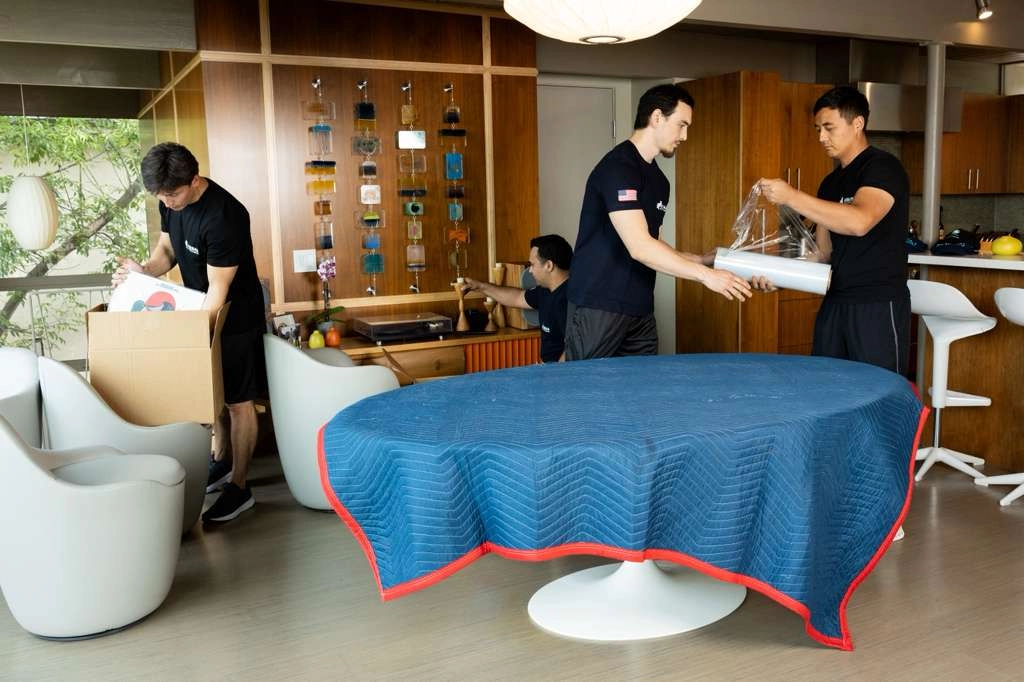
Once the move is complete, the focus shifts to storage within the home. In 2026, furniture designers have shifted toward multi-functional pieces that prioritize hidden compartments. Beds with hydraulic lifts and sofas with built-in shelving are standard in many metropolitan apartments. Residents are moving away from heavy, singular-purpose furniture in favor of modular systems that can be reconfigured as they move from one neighborhood to another. This flexibility is a hallmark of modern urban living, where a piece of furniture might need to fit in a narrow studio this year and a larger two-bedroom the next.
Verticality is another key strategy. When floor space is at a premium, walls become the primary storage area. Floating shelves, ceiling-mounted bike racks, and floor-to-ceiling cabinetry are common sights in modern developments. By keeping the floor clear, even a 400-square-foot space can feel open and manageable. This shift in interior design reflects a broader understanding that urban living in 2026 is about efficiency rather than excess.
The Shift Toward Minimalism and Shared Assets
A significant change in 2026 is the decreased desire for permanent ownership of bulky items. The "access over ownership" model has taken hold in the local community. Instead of owning a full set of power tools or a ladder that sits in a closet for 360 days a year, neighbors are using communal tool libraries and sharing platforms. This reduces the total volume of stuff that needs to be moved during a transition, making the process of changing neighborhoods much faster and less expensive.
Seasonal items also find their way into professional storage facilities more frequently now. Heavy winter coats, holiday decorations, and sports equipment like skis or surfboards do not need to take up valuable closet space in the surrounding area during the off-season. Transitioning these items out of the home twice a year creates a natural cycle of decluttering. It forces residents to evaluate their belongings regularly, preventing the slow accumulation of junk that makes moving so difficult.
Logistics and Efficiency in Local Moves
Local moves in 2026 have become more specialized. Professional services now offer "bin-only" moves where items are packed into standardized, stackable plastic containers. This method is far more efficient than traditional cardboard boxes, which often collapse or become soggy in the humid conditions sometimes found in this part of the country. These bins are easier to track, easier to stack in a storage unit, and far more protective of fragile electronics and textiles.
The physical act of moving in the local region also involves navigating strict building rules. Many high-rise developments now require move-in insurance and specific time slots for elevator use. Coordination is the most important part of the process. Those who succeed in these transitions are the ones who have a clear plan for where every box will go, whether it is heading to the new bedroom or a climate-controlled unit across town. This level of preparation ensures that the transition between neighborhoods is a minor life event rather than a week-long disaster.
Managing a household in 2026 is an ongoing process of refinement. By using a mix of digital tracking, off-site storage, and smart interior design, urban residents are finding ways to live comfortably in smaller spaces. The ability to move quickly and efficiently from one part of the city to another has become a hallmark of the modern lifestyle. It is about being light on one's feet, keeping only what is necessary, and knowing exactly where the rest of it is kept.

Table of Contents
Latest Posts

Innovative Ways to Store Belongings in Minimalist Urban Spaces

Creative Solutions for Storing Seasonal Items in Small Spaces
Designing an Organized Life: Storage for the 2026 Minimalist
Latest Posts
Innovative Ways to Store Belongings in Minimalist Urban Spaces
Creative Solutions for Storing Seasonal Items in Small Spaces
Designing an Organized Life: Storage for the 2026 Minimalist